
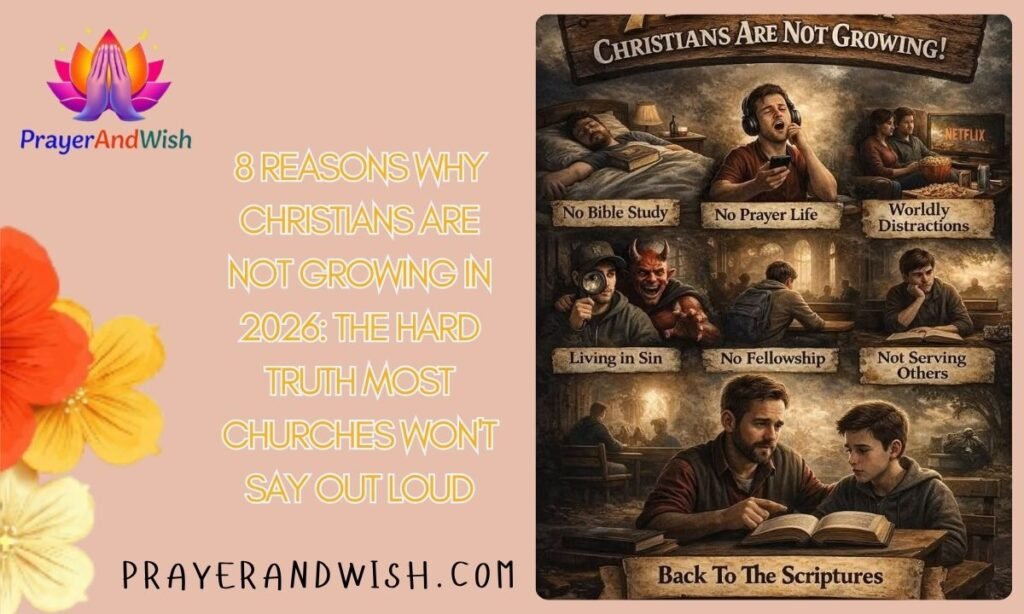
Something is quietly breaking inside modern Christianity — and most people sitting in the pews can feel it but can’t name it. Millions of believers attend church every week, read their Bibles occasionally, and still feel spiritually stuck, dry, and disconnected. The problem isn’t a lack of faith — it’s a set of very specific, very fixable reasons that nobody wants to talk about honestly.
The Three Types of Believers and Why It Matters
Before diagnosing the problem, you need to understand where you actually stand spiritually. Scripture identifies three kinds of people — the natural man (unsaved), the carnal man (saved but not transformed), and the spiritual man (saved and actively growing). Most struggling Christians aren’t unsaved. They’re carnal — stuck in a middle ground that looks like Christianity but produces none of its fruit.
The carnal believer has received salvation but never allowed the Word of God to renew their mind. They still think the same way, react the same way, and live the same way they did before Christ. Paul called this being a baby in Christ — not an insult, but a diagnosis that demands action.
The Real Reasons Christians Are Not Growing
1. No Personal Engagement With Scripture
Church attendance without Bible engagement is one of the biggest growth killers in 2026. Research from over 1,000 churches confirms that the single most effective strategy for spiritual growth is helping believers engage the Bible personally — outside of Sunday services.
Passive listening creates spiritual consumers, not disciples. When believers only receive Scripture through a pastor’s filter and never wrestle with it themselves, their faith stays shallow and dependent.
2. Carnal Mindset Still in Control
Mindset is everything. Romans 8:6 is clear — to be carnally minded is death, but to be spiritually minded is life and peace. Millions of saved people are still operating with an unredeemed thought life, which means their emotions, reactions, and decisions are still driven by the flesh.
The flesh doesn’t disappear at salvation. Paul himself said, “I die daily” — meaning subduing the flesh is an ongoing, active, daily choice that most Christians were never taught to make.
3. Overdependence on Church Staff
Spiritual growth cannot be outsourced. When churches take too much responsibility for their members’ spiritual development, they create an unhealthy dependency that actually stunts growth rather than encouraging it.
The moment believers expect the pastor to be their only source of spiritual experience, they stop pursuing God personally. The pastor becomes a spiritual middleman — and God never designed it that way.
4. Activity Mistaken for Growth
Busyness is not transformation. Attending midweek services, joining every ministry team, and volunteering every weekend can all happen without a single inch of genuine spiritual development.
Research is blunt on this point — increased church activity does not automatically lead to spiritual growth. What produces growth is a deepening personal relationship with Christ, not a fuller church schedule.
5. Doctrinal Compromise Softening the Message
Watered-down preaching produces weak believers. In 2026, many churches have quietly removed hard topics — repentance, judgment, sexual ethics, the exclusivity of Christ — to avoid cultural friction. The result is congregations that feel comfortable but are entirely unprepared for real spiritual warfare.
When Scripture must apologize for itself, it loses its power to transform. A church that softens truth to keep people comfortable is not shepherding its flock — it’s slowly starving them.
6. No Clear Discipleship Path
Salvation without discipleship leaves people spiritually stranded. Best-practice churches don’t offer a buffet of ministry options to new believers — they provide one clear, focused pathway that jumpstarts genuine spiritual growth from day one.
Most churches celebrate conversions but forget formation. Getting someone to the altar is step one. Walking them through consistent, intentional transformation is the actual job.
| Growth Barrier | Root Cause | Solution |
| No Bible engagement | Passive faith | Personal daily Scripture reading |
| Carnal mindset | Untransformed thinking | Renewing the mind through the Word |
| Church dependency | Poor discipleship model | Teaching self-sufficiency in Christ |
| Activity overload | Busyness confused with growth | Focused spiritual formation path |
| Soft preaching | Fear of cultural backlash | Balanced, courageous biblical teaching |
| No discipleship path | Lack of intentional strategy | Clear, structured growth pathway |
7. Fear of Man Replacing Fear of God
Many Christians aren’t growing because they’re people-pleasers first. When the fear of social rejection, cultural backlash, or public disapproval outweighs the fear of God, spiritual growth stops cold. You cannot fully surrender to God while constantly managing what people think of you.
This runs through nearly every growth problem. Pastors go silent to avoid controversy. Believers compromise to stay socially comfortable. The result is a faith that looks fine from the outside but is quietly dying from within.
8. Youth Awakening Without Real Roots
Spiritual curiosity without theological grounding creates volatility, not revival. In 2025 and into 2026, more young people than ever are searching for meaning and engaging with Scripture online. That hunger is real and promising — but curiosity alone doesn’t produce mature believers.
Without intentional discipleship, young believers drawn in by emotional experiences or cultural instability will drift toward shallow spirituality, political faith, or eventual burnout. Awakening must be followed by anchoring.
Frequently Asked Questions
Why do some Christians never spiritually grow?
They stay carnal — saved but never allowing the Word to renew their mind and transform their behavior.
Is attending church enough for spiritual growth?
No — church attendance alone, without personal Bible engagement, produces passive believers who never mature.
What does the Bible say about carnal Christians?
Paul called them babes in Christ — saved but still driven by flesh, envy, strife, and worldly thinking.
Can a Christian be saved for years and still not grow?
Yes — you can be saved for 30 years and remain carnal if transformation through the Word never happens.
What is the most important thing a Christian can do to grow?
Engage the Bible personally every day and willingly submit to the leadership of the Holy Spirit.
Conclusion
Christians are not growing in 2026 because the church has confused attendance with transformation, activity with discipleship, and comfort with faithfulness. Real growth requires an honest look at your spiritual state, a daily commitment to God’s Word, and the courage to let the Holy Spirit disrupt your carefully arranged life. The path from carnal to spiritual is not complicated — but it demands everything you’ve been holding back.

Hayat has 10 years of experience creating content on Bible verses, prayers, and blessings. She runs PrayerAndWish.com, sharing simple and meaningful spiritual guidance.